Source collagen vitamin joint care cream for pain relief and arthritis
Find 30 options for collagen vitamin joint care cream designed for external use, pain relief, and moisturizing. Compare specifications from manufacturers in Guangdong, China, including formulations with MSM and Arnica Montana.
Key considerations
Products List




Comprehensive Sourcing Guide
Strategic Sourcing Guide for Collagen Vitamin Joint Care Cream
The global demand for topical joint care solutions has surged, driven by an aging population and a growing focus on non-invasive pain management. For procurement professionals seeking collagen vitamin joint care cream, the market presents a complex landscape of formulations, regulatory requirements, and supply chain variables. This guide provides a disciplined, evidence-based approach to sourcing these products, focusing on the specific attributes observed in current market listings while adhering to strict verification protocols. Buyers must navigate the distinction between products marketed for general skin revitalization and those specifically engineered for arthritis pain relief and joint mobility.
Technical Specifications and Formulation Analysis
Understanding the technical architecture of the product is the first step in effective sourcing. Market observations indicate that "collagen vitamin joint care cream" products often exist in a dual capacity: as a moisturizing body cream and as a specialized therapeutic agent for joint pain. The primary physical form is consistently identified as a cream, designed for external application on the body. However, procurement teams must verify the specific state of the product, as some listings in the broader category reference liquid or powder forms, which would be unsuitable for a cream-based joint care solution.
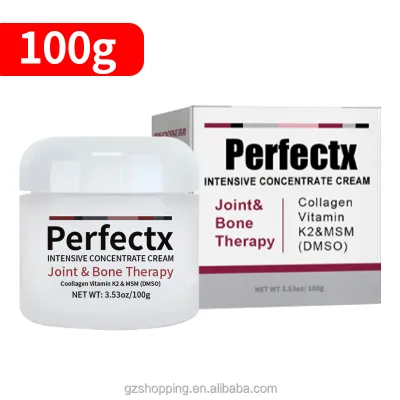
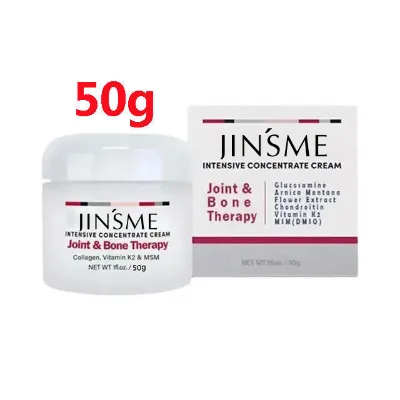
The formulation profile is critical. High-confidence data suggests that effective joint care creams in this category frequently contain a blend of Collagen, MSM (Methylsulfonylmethane), Chondroitin, and Arnica Montana Flower Extract. These ingredients are selected for their potential to support joint health, reduce inflammation, and improve skin elasticity. Furthermore, some product variations include Vitamin K2 and Vitamin C, which contribute to skin health and collagen synthesis. The presence of Aloe Vera, Glycerin, and Shea Butter is also common, serving as base ingredients to ensure the cream is easily absorbed and provides necessary moisturization.
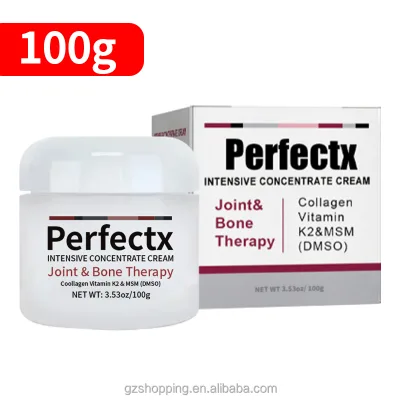
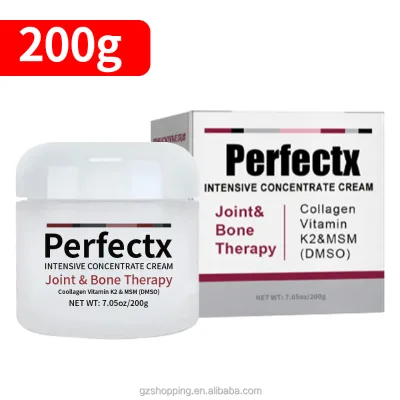
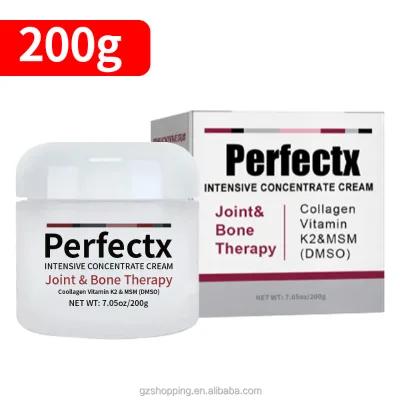
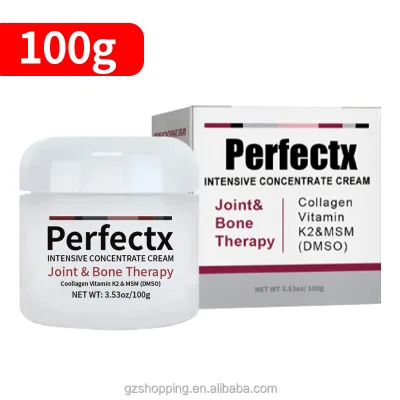
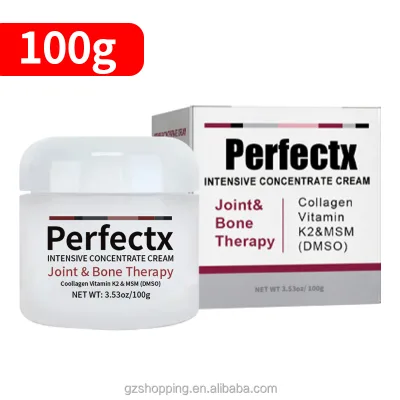
Buyers must scrutinize the weight specifications, as the market offers a range of 50g, 100g, 200g, and 250g options. The packaging dimensions vary accordingly, with single package sizes observed between 7x7x5.5 cm and 8.4x8.4x6.5 cm. The gross weight of individual units typically ranges from 0.200 kg to 0.300 kg. It is essential to confirm that the selected model number aligns with the desired weight and packaging size, as discrepancies here can lead to significant logistics errors. The product is generally categorized as a Private Label item, allowing for significant customization in branding and packaging, which is a key consideration for B2B buyers seeking to build their own brand identity.
Regulatory Compliance and Certification Verification
In the realm of health and beauty products, particularly those making claims related to pain relief and joint care, regulatory compliance is non-negotiable. The supply chain for these creams often originates from Guangdong, China, a major manufacturing hub. While the region offers robust production capabilities, it necessitates rigorous due diligence regarding certifications.
Current market data indicates that reputable suppliers in this sector may hold CE, GMP, MSDS, and FDA certifications. Some listings also reference EEC compliance. These certifications are not merely marketing tools; they are indicators that the manufacturing facility adheres to Good Manufacturing Practices and that the product safety data sheets (MSDS) are available for transport and handling. Buyers must explicitly request copies of these certificates and verify their validity with the issuing bodies.
Furthermore, the product standard is a critical compliance metric. While some sources mention BP (British Pharmacopoeia) and USP (United States Pharmacopeia) as quality standards, these are not universal for all listings. Procurement teams should not assume a product meets these standards unless explicitly stated in the contract and verified through third-party testing. The product is generally classified under Biological Products or External Use categories, and the intended usage mode is strictly for external application. Any claim suggesting internal use or internal medicine application contradicts the standard safety profile of these creams and should be treated as a red flag requiring immediate clarification.
Cost Drivers and Pricing Structure
The pricing structure for collagen joint care creams is influenced by several variable factors, including ingredient quality, packaging customization, and order volume. The observed listed price range in the market spans from $0.10 to $15.00 USD. This wide variance suggests that the unit price is heavily dependent on the specific configuration of the order.
The Minimum Order Quantity (MOQ) is a significant cost driver, with observed ranges spanning from 1 unit to 5,000 units. For buyers looking to establish a private label brand, the MOQ will likely be higher, potentially in the hundreds or thousands, to secure the lower end of the price spectrum. Conversely, smaller buyers may face higher per-unit costs. The Selling Units are typically listed as single items, but bulk pricing tiers are often available for larger procurement volumes.
Other cost factors include the Customization options available. Since the product is often a Private Label offering, costs will increase if the buyer requires custom packaging, specific labeling, or unique formulation adjustments. The Shelf Life of the product, typically cited as 3 Years, also impacts cost; longer shelf-life formulations may command a premium due to the stability of the active ingredients. Buyers should also consider the Single Gross Weight and Single Package Size when calculating freight costs, as these dimensions directly affect shipping logistics and tariffs.
Typical Applications and Target Demographics
The application scope of collagen vitamin joint care cream is diverse, extending beyond simple pain relief to general skin care. The primary application is for Body use, specifically targeting areas affected by Arthritis Pain Relief. The product is designed to be travel friendly, making it suitable for consumers who need portable pain management solutions.
The target demographic is broad, with products often marketed as Unisex or suitable for Adults, Children, and the Elderly. However, specific listings may target Female demographics with features like Lightening, Whitening, and Skin Revitalizer. This duality in marketing requires buyers to clearly define their target audience. If the goal is to sell a joint care product, the focus should remain on the PAIN RELIEF and Moisturizing attributes. If the goal is a general beauty cream, the Anti-Aging, Anti-Wrinkle, and Whitening features become paramount.
The Function of the product is multifaceted, including Moisturizer, Anti-Aging, Whitening/Lightening, and Anti-Wrinkle capabilities. The Main Ingredient often includes Aloe Vera, Glycerin, and Shea Butter for skin nourishment, alongside the therapeutic agents like Collagen and MSM. The Process technology is typically Natural Product Extraction, which appeals to consumers seeking organic or natural solutions. Buyers must ensure that the product's stated function aligns with their marketing strategy to avoid consumer confusion or regulatory issues regarding unsubstantiated health claims.
Supplier Evaluation and Quality Control Protocols
Selecting the right supplier is paramount for ensuring product consistency and safety. Given that the Place of Origin is frequently China GuangDong, buyers should prioritize suppliers with a proven track record in international trade. The Quality Guarantee Period is a critical metric, with some listings offering a Two Years guarantee. This indicates the supplier's confidence in the product's stability and shelf life.
Quality control should be a continuous process, not a one-time check. Buyers must verify the Store Method, which is typically Normal Temperature, to ensure the product remains stable during transit and storage. The Customization of the product packing is another area where quality control is essential; the prod_packing must be robust enough to prevent leakage or contamination.
When evaluating suppliers, buyers should request samples to test the Absorption rate and the texture of the cream. The product should be easily absorbed and leave no greasy residue. Additionally, the Model Number (e.g., 85858-100, 85858-200) should be consistent across the order to ensure uniformity. Buyers should also verify the Age Group suitability, ensuring the product is safe for the intended demographic, whether it is Adults or Children.
Long-Term Procurement and Supply Chain Stability
For long-term success, buyers must consider the scalability and stability of the supply chain. The Customization availability allows for brand evolution, but it requires a supplier capable of maintaining consistency over time. The Shelf Life of 3 Years provides a buffer for inventory management, but buyers must plan for turnover to ensure product freshness.
The Lead Time and MOQ flexibility are crucial for managing cash flow and inventory levels. While specific lead times are not provided in the general data, buyers should negotiate clear timelines based on the Selling Units and Customization requirements. The Standard of the product, whether it adheres to BP, USP, or other internal standards, should be documented in the contract to prevent future disputes.
Finally, buyers should monitor the Certification status of their suppliers regularly. Certifications like CE, GMP, and FDA may require renewal, and a lapse in certification could disrupt the supply chain. By maintaining a proactive approach to supplier evaluation and quality control, buyers can ensure a steady supply of high-quality collagen vitamin joint care cream that meets both regulatory requirements and consumer expectations.
| Feature Category | Observed Attributes | Verification Requirement |
|---|---|---|
| Form & State | Cream, Liquid, Powder | Confirm "Cream" for joint care; verify "External Use" only. |
| Key Ingredients | Collagen, MSM, Vitamin K2, Arnica, Chondroitin | Request batch analysis for active ingredient concentration. |
| Certifications | CE, GMP, MSDS, FDA, EEC | Validate current certificates with issuing authorities. |
| Packaging | 50g, 100g, 200g, 250g; Customizable | Confirm dimensions (7x7x5.5 cm vs 8.4x8.4x6.5 cm) for logistics. |
| Origin | Guangdong, China | Verify factory audit reports for manufacturing standards. |
| Shelf Life | 3 Years | Check expiration date on received samples. |
| Target Use | Arthritis Pain Relief, Moisturizing, Whitening | Ensure marketing claims match product function and regulations. |
By adhering to these guidelines and maintaining a rigorous approach to verification, procurement professionals can successfully navigate the complex market for collagen vitamin joint care cream, ensuring that the final product meets the highest standards of quality, safety, and efficacy.
FAQs
What ingredients are typically found in collagen vitamin joint care cream?
These creams commonly contain Collagen, MSM, Chondroitin, and Arnica Montana Flower Extract. Some formulations also include Vitamin K2, Vitamin C, Aloe Vera, Glycerin, and Shea Butter to support joint health and skin moisturization.
Can this product be used for arthritis pain relief?
Yes, the product is specifically designed for arthritis pain relief and external use on the body. It is formulated to be easily absorbed and travel friendly for targeted application on affected joints.
Which certifications should I verify for this joint care cream?
Reputable suppliers often hold CE, GMP, MSDS, FDA, and EEC certifications. Buyers must explicitly request and validate these certificates to ensure compliance with Good Manufacturing Practices and safety standards.
What are the available packaging specifications and weights?
Standard specifications include 50g, 100g, 200g, and 250g options with varying package sizes. Single gross weights typically range from 0.200 kg to 0.300 kg depending on the selected model and volume.
How long is the shelf life of this collagen cream?
The product generally has a shelf life of three years when stored at normal temperature. This duration ensures stability for the active ingredients like Collagen and MSM during storage and transport.
Is private label customization available for this product?
Yes, the product is offered as a private label item with customization available for branding and packaging. Buyers can request specific packing adjustments to align with their brand identity and market requirements.
Where are these collagen joint care creams typically manufactured?
The primary place of origin for these products is Guangdong, China. This region serves as a major manufacturing hub for such biological and external use products with established supply chains.